Getting started
What Is Interactive Marketing? A Beginner's Guide to Earning Attention People Remember
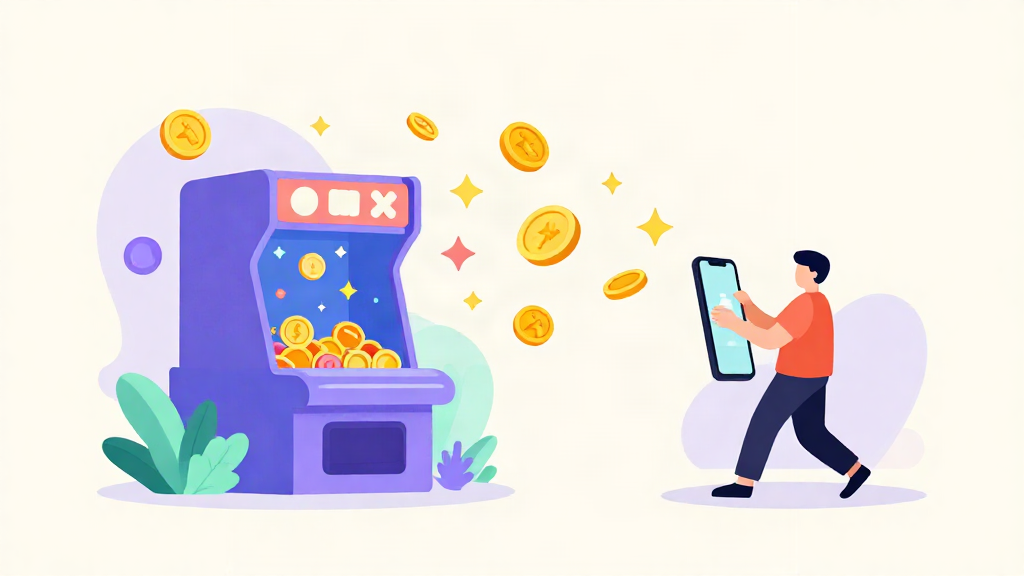
Every marketer knows the feeling. You ship a campaign, watch it land in feeds, and pray someone stops scrolling. Most don't. They've seen another ad. They haven't played yours.
Interactive marketing is the answer to that gap. Instead of asking people to passively watch, it hands them the controls and invites them to take part. And participation is what gets remembered.
This is your beginner's guide: what interactive marketing is, why passive ads get swiped past, and the playable formats that turn passive audiences into active participants.
What is interactive marketing?
Interactive marketing is any campaign that requires the audience to actively engage with the brand rather than just consume content. A click, a swipe, a tap, a choice, a few seconds of play. The audience does something, and that something happens on your terms.
It's a broad umbrella. It covers quizzes and polls, calculators and configurators, AR try-ons, choose-your-own-adventure stories, landing pages where visitors make choices, and playable ads where a mini-game is the creative itself.
The through-line is the same: the participant's attention is volunteered, not grabbed. They chose to play. That choice changes how they feel about what comes next.
Why passive ads get swiped past
The modern feed is a battlefield for attention. The average person encounters hundreds of brands a day and spends a few precious seconds deciding what deserves more.
A static image or a flat video asks for nothing but a glance. It competes on the same terms as hundreds of others doing exactly the same thing. The result is swiping, skipping, and scroll-past. The ad is seen. It is rarely felt.
Here's what the research keeps telling us: doing something beats looking at something when it comes to memory. When someone actively participates, their brain treats the experience differently. It becomes a moment they were part of, not a message that passed by. That's the real advantage of interactive marketing — not novelty, but recall.
What gets remembered gets acted on
Attention you earn is worth more than attention you buy. A viewer who glides past a static ad may never think of the brand again. A player who spends twenty seconds inside a game you built? They've had an experience. They've associated your brand with a good time. They're far more likely to remember you, talk about you, and — when the moment is right — click through and convert.
This is why interactive content marketing has become such a staple in modern strategy. It works alongside your other channels, adding a memorable, participatory moment that static formats simply can't deliver.
Playable formats you can start with
If you're new to this, you don't need a Hollywood production budget. You need a format that fits your brand and a clear goal. Here are the most accessible ways in.
Quizzes and assessments
The format everyone knows and almost everyone clicks. "Which style suits you?" and "What's your approach?" pull people in because they love learning about themselves. The payoff is instant, shareable, and often collects a bit of data in exchange for the result.
Interactive landing pages
Instead of a static page that just describes your offer, an interactive landing page lets visitors explore before they decide. Let them choose, sort, or configure while the page responds in real time. It turns a pitch into an experience — and pairs naturally with interactive landing page examples that live on the shortlist of high-performing pages.
Calculators and configurators
Give visitors something useful to build and they'll invest minutes of their time. A savings calculator, a product configurator, a quiz that recommends the right fit — utility that feels custom-made. This is a favorite trick of gamified marketing done well: the try-and-choose loop keeps people engaged longer.
Playable ads and branded games
This is the big one. A playable ad replaces the static creative with a few seconds of a real game. The hook is instant and native to the platform. Branded games for marketing take it further — a full game built around your brand that becomes a memorable, repeatable moment people come back to.
Why playable ads are the current edge
Playable ads work because they skip the "look at me" phase entirely. There's no time spent deciding whether to stop and watch; the game is the invitation. Touch the screen, start playing, and by the time it's over you already know the brand and what it offers.
They're especially strong for gamification for brand awareness. Instead of telling people what your brand stands for, you show them through how it makes them feel while they play. That emotional shorthand is hard to match with a static banner.
How to choose an interactive format
Ask what you want the participant to do and what you want them to remember. A quick quiz suits a traffic goal and a light social touch. A calculator suits lead generation. A playable ad or branded game suits awareness and recall — the moments you want people to feel, not just see.
Match the depth to the goal. You don't need a full arcade game for a one-off social post; a lightweight interactive moment works fine. And when recall is the whole point — when you want that memorable, participatory moment — go where the play happens: a brandable game built to fit your identity.
At the more involved end, interactive game platforms let marketing teams pick proven formats, brand them, and embed the play directly onto landing pages, product pages, or campaign microsites — with JavaScript and API integrations doing the heavy lifting.
Start small, learn fast
You don't have to launch a sweeping interactive campaign overnight. Pick one format, one clear goal, and run it. Watch what people click, where they drop off, and what they share. Interactive marketing rewards iteration — treat every campaign as a learning experiment and compound what works.
The bottom line
Interactive marketing isn't a gimmick. It's a shift in how you ask for attention: not "watch this," but "play this." People participate, they feel something, and they remember. In a sea of passive content, that's the difference between an ad that gets seen and a brand that gets chosen.
They've seen another ad. Now give them something to play.
← All articles